

Unlock Global Connectivity With The Best eSIM Data Plans For Travelers
An eSIM data plan is a fully digital alternative to physical SIM cards, embedded directly into a device’s hardware. It functions by downloading carrier profile data over the internet, enabling instant activation without inserting a plastic card. This allows users to add or switch between multiple data plans on a single device via a settings menu. The primary benefit is the ability to secure local data rates abroad while retaining your primary number, all managed through a simple QR code or app installation.
Unlocking Global Connectivity: The Shift to Embedded SIM Technology
The shift to embedded SIM technology fundamentally unlocks global connectivity by making the eSIM data plan an instant, device-native feature. Instead of waiting for a physical SIM to ship, you activate a local or regional data plan directly on your phone before you even board the flight. This allows you to seamlessly switch between carriers in different countries without swapping cards, ensuring you always have affordable data access at your destination. This eliminates the need for expensive roaming packages and fragile physical SIMs, turning your device into a global roaming tool managed entirely through software. The practical result is a direct connection to a network upon arrival, with no physical logistics, making international travel data simpler and more reliable.
Why Traditional Plastic SIMs Are Becoming Obsolete
Traditional plastic SIMs are becoming obsolete primarily because they lock users into a single network, requiring physical swapping or a new card to change providers. For an eSIM data plan, this physical hurdle is eliminated, as a software profile replaces the chip, allowing instant carrier switching. This shift removes the need to carry multiple SIMs or fumble with tiny trays when traveling. The plastic card’s fragility and risk of loss further diminish its relevance, while eSIMs offer a durable, integrated solution. Practical eSIM flexibility directly undermines the rigid, one-carrier design of traditional SIMs.
Traditional plastic SIMs are becoming obsolete because they require physical handling and constrain users to a single carrier, whereas eSIMs enable seamless, instant network changes via software alone.
How eSIM Profiles Replace Physical Cards
Unlike a physical SIM, which is a removable chip, an eSIM profile is a digital file downloaded directly onto the phone’s embedded chip. For an eSIM data plan, this profile replaces the card by storing all subscriber credentials—like network ID and encryption keys—in software. Users activate the plan by scanning a QR code or using an app, which writes the profile to the chip. This eliminates the need to insert, swap, or store physical cards, allowing instant switching between carrier profiles on demand without accessing the device tray.
eSIM profiles replace physical cards by delivering carrier credentials as downloadable data, enabling remote provisioning and instant plan changes without hardware removal.
Key Devices That Support Embedded SIM Capabilities
Key devices that support embedded SIM capabilities for an eSIM data plan include the latest flagship smartphones, such as the iPhone 14 series (US models) and Google Pixel 7 and newer, which utilize eSIM exclusively or alongside a physical slot. Many high-end Android models from Samsung, including the Galaxy S23 and Z Fold series, also integrate eSIM. Additionally, premium tablets like the iPad Pro and select laptops from Microsoft’s Surface Pro lineup feature embedded SIMs. This support allows users to activate a data plan remotely without a physical card. Modern smartphones with eSIM are the most common gateway to this technology.
- Apple iPhone XS and newer models (excluding some Chinese versions)
- Google Pixel 3a and later, with full eSIM support from Pixel 4
- Samsung Galaxy S20, S21, S22, S23 series, and Z Fold/Flip devices
- Apple Watch Series 3 and later (cellular models) for standalone data plans
Selecting the Right Mobile Data Package for International Travel
Choosing the right eSIM data plan for international travel starts with checking your destination’s network coverage first, as some eSIMs only use specific carriers. Look for plans that offer a generous data cap for your typical usage, like navigation and messaging, rather than unlimited plans that throttle speeds aggressively. It’s often smarter to pick a shorter validity period with enough data than a longer one that forces you to top up at foreign rates. Consider a regional eSIM if you’re hopping between countries to avoid buying separate plans. Finally, confirm the plan activates instantly and supports tethering to other devices without extra fees.
Comparing Regional vs. Global eSIM Coverage Options
When choosing an eSIM data plan, the biggest fork in the road is regional vs. global coverage. A regional eSIM bundles countries within one continent—like Europe or Asia—offering major cost savings if your trip stays within that zone. A global plan covers multiple continents in one profile, which is perfect for multi-stop adventures but often charges a premium. Before buying, check the live coverage map: regional plans sometimes skip small nations, while global ones might throttle speeds in specific areas. Stick with a regional eSIM for focused trips, but pick global flexibility for unpredictable routes.
| Feature | Regional eSIM | Global eSIM |
|---|---|---|
| Cost per GB | Low | Moderate to high |
| Country scope | One continent | Multiple continents |
| Best for | Single-country or single-region trips | Cross-continent itineraries |
| Risk of gaps | Fewer, but only within region | Wider, but sometimes throttled |
Data Allowances and Validity Periods: What to Look For
When evaluating an eSIM data plan, scrutinize the data allowance validity period to ensure it aligns with your exact travel dates. A 4GB plan valid for 30 days is wasted on a week-long trip, while a 24-hour pass fails for a three-day layover. Always confirm whether the allowance resets or halts after the period ends; some plans throttle data instead of cutting off. High-usage activities like video streaming can drain a 1GB allowance within hours, making larger allowances essential for longer stays.
- Match the validity period to your trip duration, not your departure date.
- Check if unused data rolls over or expires with the period.
- Verify if the allowance is a soft cap (slowed data) or a hard cap (no data).
- Assess daily vs. total allowances for plans marketed as “unlimited.”
Speed Tiers and Network Prioritization in Modern Plans
When selecting an eSIM data plan for international travel, scrutinizing speed tiers and network prioritization is critical. Budget “unlimited” plans often throttle your connection after a small data cap, dropping you to sluggish 2G or 128kbps speeds—fine for texts, useless for maps or video calls. Premium plans prioritize your traffic on local networks, ensuring full 4G/5G speeds are maintained until a much higher threshold. UK eSIM This distinction means your video conference won’t stutter while a local user streams music. Below is a practical comparison of typical tier structures:
| Tier | Typical Data Threshold | Post-Throttle Speed |
|---|---|---|
| Budget | 500 MB – 1 GB | 128 kbps (unusable for navigation) |
| Standard | 3 GB – 10 GB | 1–5 Mbps (casual browsing only) |
| Premium | 20 GB+ | Full speed prioritization until exhaustion |

Step-by-Step Guide to Activating a Digital SIM Profile
To activate your eSIM data plan, first ensure your device is unlocked and connected to Wi-Fi. Navigate to your phone’s settings, select “Cellular” or “Mobile Data,” and tap “Add Cellular Plan.” Scan the QR code provided by your carrier—or enter the activation code manually if no QR is available. Once scanned, label your new eSIM (e.g., “Travel Data”) and select it as your default for cellular data. After confirming, reboot your device to finalize the connection.
The entire process completes in under five minutes, bypassing the need for a physical SIM card entirely.
Finally, toggle data roaming on if required, then verify signal strength to ensure seamless, instant internet access.
Scanning a QR Code or Using Carrier Apps
To activate an eSIM data plan, you begin by scanning a QR code provided by your carrier, which directly downloads the profile to your device. Alternatively, many networks offer a dedicated carrier app where you log in to purchase and install the eSIM. Both methods require a stable internet connection—usually via Wi-Fi—to complete the download. For scanning, ensure your camera can clearly read the code; for apps, follow the on-screen prompts to confirm the plan details. This process eliminates waiting for a physical SIM card and is the most direct installation method for digital profiles.
Scanning a QR code or using a carrier app provides two practical, instant pathways to download and activate an eSIM data profile without physical hardware.
Managing Multiple Profiles on One Device
After activating your primary eSIM data plan, you can manage multiple profiles on one device through the settings menu. To add a new profile, navigate to Cellular or Mobile Data settings and select “Add eSIM.” Each profile is stored separately, allowing you to label them (e.g., “Work” or “Travel”). You can designate a default line for voice, SMS, and data, or manually switch between profiles when needed. Dual SIM management requires toggling lines on or off to avoid data conflicts. Remember that only one eSIM profile can use data at a time unless your device supports simultaneous connections.
| Action | Result |
|---|---|
| Label each profile | Quick identification in menus |
| Set default data line | Automatic data routing |
| Disable unused profiles | Prevents accidental data usage |
Switching Between Home and Roaming Data Seamlessly
To switch between home and roaming data seamlessly on your eSIM data plan, ensure both profiles are active in your device’s cellular settings. Assign one line for data as your primary home profile and another as the secondary roaming profile, then toggle the data line selection manually based on your location. Seamless eSIM profile switching relies on designating the correct default for voice and data to avoid dropouts. Many devices allow instant data switching without needing to reboot or remove the physical SIM by simply tapping the desired data line in the “Cellular Data” menu.
Switching between home and roaming data seamlessly requires manually toggling the active data line via your device’s settings, using separate eSIM profiles for each region.
Cost Efficiency and Hidden Fees in Remote Provisioning
While remote provisioning eliminates physical SIM logistics, its cost efficiency hinges on avoiding hidden fees in remote provisioning. Many eSIM data plans lure users with low per-GB rates but bury activation charges, platform “service fees,” or data top-up premiums that inflate the total. True cost efficiency in eSIM data plans comes from scrutinizing the plan’s full lifecycle: confirm if remote provisioning incurs a one-time setup cost, whether unused data rolls over without penalty, and if deleting and reinstalling the profile triggers a second charge. Always check for expiration-based fees, as a plan that auto-expires unused balance can make cheap data expensive. Prioritize providers offering transparent, flat-rate pricing with no surprise costs for switching or reactivating via remote provisioning.
Comparing Prepaid Bundles vs. Pay-As-You-Go Structures
When evaluating cost efficiency for your eSIM data plan, the choice between prepaid bundles and pay-as-you-go structures hinges on your usage predictability. Prepaid bundles lock in a lower per-gigabyte rate, making them ideal for travelers or heavy users who can estimate their consumption. Conversely, pay-as-you-go avoids upfront commitment but often carries a premium per MB, penalizing sporadic use. Hidden fees emerge differently: bundles may expire unused data, while pay-as-you-go can incur micro-transaction charges. For maximum control, prepaid bundles for predictable data needs outperform variable pay-as-you-go costs, eliminating surprise overage fees through fixed volume pricing.
| Aspect | Prepaid Bundles | Pay-As-You-Go |
|---|---|---|
| Cost per GB | Lower, fixed rate | Higher, variable rate |
| Flexibility | Requires consumption forecast | No upfront commitment |
| Hidden Fee Risk | Expired data waste | Per-transaction surcharges |
Avoiding Unexpected Charges While Roaming
To avoid surprise bills, always disable automatic carrier selection on your device before landing. Your phone might latch onto a pricey local partner network, triggering daily fees you didn’t agree to. Stick to the exact eSIM profile you purchased—don’t toggle between multiple plans mid-trip, as some eSIMs charge for each activation. Turn off background app refresh and iCloud backups before roaming, since data used suddenly can cost per megabyte. Finally, check your eSIM app’s usage meter daily; a quick glance beats a shocking statement later.
Free Trials and Promotional Offers for New Users
Free trials for new eSIM data plans often provide a small data allotment for a limited period, allowing users to test network coverage before committing. Promotional offers typically reduce the upfront cost, but must be scrutinized for automatic renewal terms that trigger hidden fees. A short-term discount may still lock you into a full-price subscription if the cancellation window is narrow. Users should compare trial data caps versus promotional data bonuses, as the latter may require a minimum purchase to activate.
| Aspect | Free Trial | Promotional Offer |
|---|---|---|
| Duration | 24–72 hours | 7–30 days after purchase |
| Data amount | 100 MB–1 GB | 2 GB–10 GB bonus |
| Hidden fee risk | Low if no payment method required | Moderate if auto-renewal defaults on |
Security and Privacy Considerations for Virtual Numbers
You’d just landed in Bangkok, swapping your physical SIM for an eSIM data plan to stay connected. That virtual number, layered over the eSIM’s data tunnel, became your shield—keeping your primary number hidden from local apps and dodgy café Wi-Fi. Without a physical card to intercept, virtual number privacy hinged on end-to-end encryption inside the eSIM’s secure element. Yet, you remembered to disable SMS forwarding: a careless setting could leak one-time codes back to your home carrier. The real secret? Treating that virtual number as disposable—used for registrations and calls, then wiped when you switch data plans. This simple habit stopped any lingering traces from haunting your digital footprint.
Encryption Standards in Digital SIM Communications
Encryption standards in digital SIM communications ensure your eSIM data plan remains secure from interception. Modern eSIMs leverage end-to-end AES-256 encryption to protect over-the-air provisioning and authentication exchanges between the device and carrier network. This military-grade cipher scrambles your IMSI and session keys, preventing cloning or eavesdropping during activation. Without robust encryption, virtual number traffic would expose your internal identifier to rogue base stations. The integrated secure element enforces hardware-backed decryption, so even if your device is compromised, the digital SIM’s cryptographic material stays isolated. Only authorized network entities holding the correct decryption keys can access your communications data.
What Happens When You Delete a Profile
When you delete a profile from an eSIM data plan, the associated digital credentials and encryption keys are permanently removed from your device’s secure element. This action instantly severs the connection to the mobile network, making it impossible to use that specific plan for data, calls, or messages. Your device will no longer retain any trace of the deleted profile, preventing unauthorized access or reactivation without a new download code. For privacy, this ensures that any personal data or usage history linked to that virtual number is locally erased, though the eSIM data plan remains tied to your account with the provider until they also purge it from their backend server.
Protecting Personal Data on Shared or Temporary Plans
When using an eSIM data plan on shared or temporary plans, never share the QR code or activation token, as it grants full access to your line. Treat the eSIM profile as a disposable identity; once the plan expires, delete it from your device’s settings to prevent residual data exposure. Avoid logging into personal accounts—such as banking or social media—while connected, since others on the shared plan might see unencrypted traffic. For maximum safety, enable a VPN directly on the device before using the virtual number, and disable data roaming when not actively needed. This shared eSIM privacy control ensures your activities remain isolated from other users on the same plan.
Optimizing Network Performance Across Different Regions
To optimize network performance across different regions with your eSIM data plan, prioritize local network carriers that your eSIM can automatically switch between. Manually selecting a specific carrier in your device’s settings often outperforms automatic roaming for latency and speed. When traveling between regions, pre-download the eSIM’s network profiles to avoid connection gaps. Use adaptive bandwidth apps that test local latency and route traffic through the fastest available tower, not just the strongest signal. For critical tasks, toggle airplane mode upon crossing borders to force a fresh handshake with the closest regional node, reducing lag from distant servers.
Understanding Local Carrier Partnerships and LTE/5G Access
To keep your connection snappy across borders, your eSIM relies on local carrier partnerships. These deals let your eSIM tap into a region’s native LTE or 5G towers instead of roaming on a distant home network. Because each carrier has different spectrum and coverage, your eSIM’s backend automatically selects the best available partner for your location. This means you get the fastest speeds and lowest latency without manually hunting for networks. When you land, your phone jumps onto the strongest local signal, so streaming maps or loading emails feels just like it does at home. Just confirm your eSIM profile includes partner agreements for your destination before you travel.
Troubleshooting Connection Drops in Remote Areas
For troubleshooting connection drops in remote areas with an eSIM data plan, first force a manual network scan. Switch to a different local carrier supported by your eSIM profile. If drops persist, disable 5G and lock your device to 4G LTE for better range. Verify your antenna orientation—obstructed line-of-sight to cell towers causes intermittent loss. Temporarily restart your device to refresh the eSIM registration with the tower. Avoid using VPNs, as encryption overhead stresses weak signals. If drops happen only during movement, reduce speed or park to stabilize handoffs between cells.
Using Wi-Fi Calling as a Backup for Voice Services
When your primary cellular network struggles due to regional congestion or weak signals, enabling Wi-Fi calling as a seamless backup ensures your eSIM data plan delivers uninterrupted voice service. By activating this feature within your device settings, calls route over any available Wi-Fi network while still using your eSIM number. This eliminates dropped calls during travel or in buildings with poor reception. The eSIM’s data-only configuration does not hinder this backup, as Wi-Fi calling relies on the data connection for voice packets. Always verify that your eSIM provider supports this feature for optimal reliability in low-signal zones.
Wi-Fi calling acts as a reliable voice service backup for your eSIM data plan, preventing call drops when cellular networks underperform.
Future Trends in Remote Subscription Management
Future trends in remote subscription management for eSIM data plans will prioritize autonomous plan switching based on real-time usage and location, eliminating manual top-ups. Users will soon manage multiple active eSIM profiles simultaneously, with platforms automatically selecting the cheapest or fastest local data at borders. Expect AI-driven predictive analytics that pre-configure subscription renewals before a trip ends, ensuring seamless connectivity. These advancements will make eSIM data plan management entirely passive, where the system handles tier upgrades, data pooling across devices, and temporary speed throttling without user intervention, turning complex logistics into a frictionless background process.

IoT Devices and Machine-to-Machine Connectivity
IoT devices and machine-to-machine connectivity are reshaping remote subscription management by enabling autonomous, data-driven operations. Sensors, smart meters, and fleet trackers now rely on eSIM-powered M2M data plans to switch networks without physical swaps, ensuring continuous uptime in logistics or agriculture. These plans dynamically adjust to usage spikes, averting overage fees across thousands of connected units. A central dashboard lets you throttle bandwidth per device cluster or push firmware updates over-the-air. Q: How does M2M differ from regular IoT for subscriptions? M2M focuses on direct device-to-device transactions—like a thermostat pinging a server—without human interaction, making low-latency, pooled data plans essential for cost control.
Integration with Smartwatches and Wearable Tech
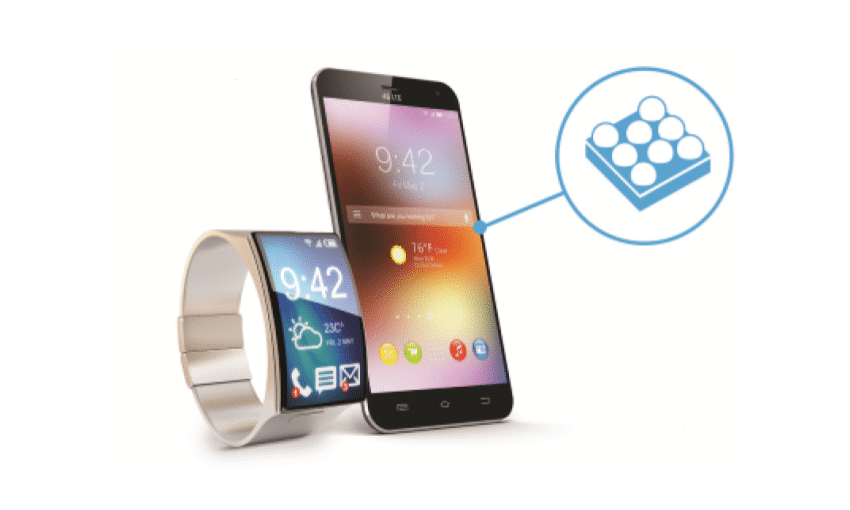
Integration with smartwatches and wearable tech shifts remote subscription management toward independent device connectivity via eSIM. Users clone a primary plan’s data pool onto a wrist-worn device without a physical SIM or phone proximity, enabling standalone streaming and messaging. The subscription backend must handle concurrent activations across a smartphone and watch, dynamically splitting or throttling data per device. Pairing an eSIM profile to a wearable’s serial number ensures the data plan follows the device, not the user’s phone. This requires real-time sync between carrier, device OS, and management dashboard to prevent double-billing or plan duplication.
Wearables gain autonomous data access through eSIM-based subscription cloning, with backend systems managing shared data across devices in real time.
Regulatory Changes Impacting Cross-Border Data Use
As remote subscription management evolves, cross-border data compliance directly shapes eSIM plan usability. Users must now navigate regional data residency requirements, where providers restrict roaming to prevent inadvertent data storage in non-compliant jurisdictions. A practical sequence for adapting to these changes includes:
- Selecting eSIM profiles that explicitly declare data processing locations.
- Verifying whether the plan enforces automatic tier switching when crossing regulatory boundaries.
- Configuring device settings to geo-limit background data access per local mandates.
Failure to align subscription settings with these rules can result in throttled speeds or service suspension during travel.