

The Allure of Games of Chance
Casino games possess an irresistible charm that captures the attention of players, creating an atmosphere filled with excitement and anticipation. This attraction stems from the psychological principles that underpin human behavior. The thrill associated with the chance of winning substantial monetary rewards is a powerful motivator. Many enthusiasts enjoy exploring platforms like nz casino online , where the unpredictability inherent in games of chance adds an exhilarating element; each spin of a slot machine or the roll of dice presents a new opportunity, making every gaming session feel like a fresh adventure filled with hope and potential.
The psychology of reinforcement significantly contributes to this allure. Casinos are designed to reward players intermittently, which keeps them engaged and encourages continued play. This concept is reminiscent of the “Skinner box” theory, where animals are conditioned to perform certain actions to receive rewards. In the context of gambling, players may find themselves chasing losses or continuing to play after obtaining small wins. This cycle of behavior is reinforced by the anticipation of future rewards, often overshadowing the harsh reality of the odds stacked against them.
The sensory experiences within casinos further enhance their psychological impact. Bright, flashy lights, engaging sounds, and vibrant colors are carefully crafted to stimulate excitement and elevate the mood of players. Such sensory overload can trigger the release of dopamine in the brain, a neurotransmitter associated with pleasure and reward. This reaction can lead to feelings of euphoria, which are not solely linked to winning; even the act of playing can generate satisfaction. Consequently, players may return to casinos not just for the chance to win, but also for the escape and thrill that the environment provides.
The Impact of Emotions on Decision-Making
Emotions play a pivotal role in the decision-making processes of players when gambling. The adrenaline that surges during betting can lead to heightened emotional states, which may cloud rational judgment. Studies indicate that individuals experiencing intense emotions often take greater risks, driven by the belief that their luck is bound to improve. This emotional high can create a false sense of invincibility, prompting players to underestimate the potential risks associated with their gaming choices, leading them down a path of reckless betting.
Another significant factor is the psychological concept of “loss aversion.” This principle suggests that individuals are more motivated to avoid losses than to pursue equivalent gains. As a result, players may continue gambling in an attempt to recover losses, driven by the fear of losing rather than the desire to win. This cycle can become self-perpetuating, with individuals justifying their continued play as a necessary step to reclaim their lost funds, often leading to detrimental consequences.
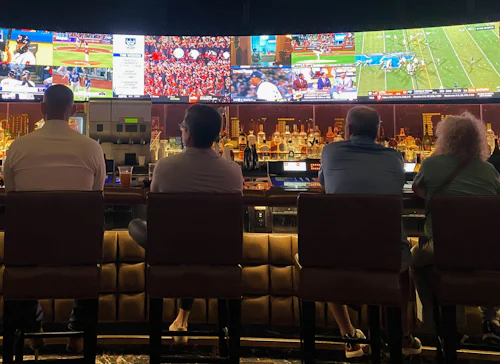
The social dynamics of gambling also heavily influence decision-making. Many players engage in casino games alongside friends or fellow gamblers, creating a shared emotional experience that amplifies individual behaviors. The presence of others can lead to increased risk-taking, as players feel emboldened by social validation. This group mentality can skew perceptions of luck and success, further blurring the lines between rational thought and emotionally driven decisions, ultimately shaping the gambling experience in profound ways.
Addiction and Gambling Behavior
One of the most concerning aspects of casino gaming is the potential for addiction, which arises from the same psychological principles that initially attract players. Behavioral psychology suggests that the brain can become conditioned to equate gambling with pleasure and reward, leading to compulsive behavior. For some individuals, gambling transforms from a simple pastime into a coping mechanism, offering an escape from stress, anxiety, or depression. This shift can have devastating effects on personal lives and finances.
The design of casino games often exacerbates the risk of developing gambling addiction. Many games are intentionally structured to evoke a sense of urgency, encouraging players to make quick decisions without fully contemplating the consequences. Features like near misses and fast-paced gameplay can heighten emotional responses and reinforce behaviors that lead to addiction. Players may find themselves engulfed in the excitement, prioritizing the game over financial responsibility, which can result in dire personal and financial consequences.
Moreover, the stigma surrounding gambling addiction makes it challenging for individuals to seek help. Misunderstandings and social taboos can prevent those suffering from addiction from reaching out for support. By incorporating education on responsible gambling practices within casino environments, there is an opportunity to promote positive behavior change and assist at-risk players. Understanding the psychological mechanisms behind addiction is essential for both prevention and recovery, fostering a more informed gambling culture.
The Role of Marketing and Casino Design
Marketing strategies employed by casinos are intricately designed to exploit psychological principles that enhance player engagement. Promotional offers, loyalty programs, and special events are meticulously crafted to create a sense of exclusivity and urgency. These marketing tactics tap into players’ desires for belonging and recognition, encouraging them to return frequently. The psychology of scarcity is often at play, where limited-time offers create pressure to act quickly, frequently leading to impulsive betting decisions that may not align with rational thinking.

The physical layout and design of casinos also play a crucial role in influencing player behavior. Many casinos feature open layouts, with games positioned closely together to encourage exploration and heighten excitement. Brightly lit areas and strategically placed high-stakes games foster an environment of continuous engagement. The absence of clocks and windows enhances this immersive experience, allowing players to lose track of time, which often results in prolonged gambling sessions that can lead to significant financial losses.
Additionally, the subtle use of pleasant aromas and complimentary beverages contributes to the overall atmosphere, reinforcing players’ desire to stay and play longer. By engaging multiple senses, casinos create a welcoming environment that encourages repeat visits. Understanding these marketing strategies allows players to become more aware of their behaviors and make informed decisions while navigating the gambling landscape, ultimately fostering a more balanced approach to gaming.
Your Source for Responsible Gaming Insights
Understanding the psychology behind casino games and player behavior is essential for promoting a healthier gambling environment. By delving into these psychological aspects, players can gain greater awareness of their motivations and the potential pitfalls associated with gaming activities. Emphasizing responsible gambling practices is crucial in ensuring that the appeal of the casino remains a source of entertainment rather than distress.
At our website, we prioritize education and awareness as key components in promoting responsible gaming. We offer resources, tools, and insights into understanding gambling behaviors, along with tips for recognizing signs of addiction. Our mission is to empower players with the knowledge they need to make informed decisions, enhancing their experiences while ensuring their overall well-being and safety.
Ultimately, the psychology underlying casino games is multifaceted, intertwined with emotional responses, behavioral patterns, and environmental designs. By examining these elements, players can develop a deeper understanding of their gaming behaviors and seek help when needed. Our commitment to responsible gaming aims to create enjoyable experiences while also fostering a supportive community focused on safe practices and informed choices, ensuring that the thrill of the game remains just that—a thrilling game.